On July 24, 2026, the Digital Omnibus on AI was published, amending the Artificial Intelligence Act (AI Act). Although the Omnibus has been presented as a simplification measure and postpones many of the high-risk AI obligations, it also introduces new obligations that will take effect on December 2, 2026.
1. New prohibitions: “nudification” and AI-generated child sexual abuse material
Previously, Article 5 of the AI Act prohibited practices such as subliminal manipulation and social scoring. The Omnibus adds two new prohibited practices (Article 5(1), points (b bis) and (b ter)), which will apply from December 2, 2026:
- Non-consensual intimate material (point (b bis)): It is prohibited to place on the market, put into service or use an AI system that generates or manipulates realistic images, videos or audio recordings of the intimate parts of an identifiable person, or of an identifiable person engaged in sexually explicit activities, without their freely given, specific, informed, unambiguous and explicit consent.
- Child sexual abuse material (point (b ter)): AI systems that generate or manipulate such material are prohibited, except where the defence of “unlawful form” provided for under national law applies.
Who is responsible, and to what extent?
The legislation establishing these obligations distinguishes between providers and deployers.
- Providers. The prohibition on placing an AI system on the market or putting it into service only applies when:
- Generating or manipulating such material is the system’s intended purpose; or
- The system’s design, training, architecture, capabilities or user-facing functionalities make that outcome reasonably foreseeable and reproducible without substantial technical modifications, and the system does not have reasonable and appropriate technical safety measures (or other safeguards) in place to reliably prevent it, taking into account reasonably foreseeable misuse, or to address misuse that has been observed or reported.
- Deployers. The use of an AI system is only prohibited when it is used for the purpose of generating or manipulating such material. Lawful use of a system is not prohibited, nor is accidental generation.
Consequences
These are prohibited practices under Article 5, which carries the highest level of penalties under the AI Act. Fines can reach up to €35 million or 7% of worldwide annual turnover. In addition, the Omnibus recalls that these actions may also constitute criminal offences and that the regulation does not prevent criminal prosecution.
2. End of the transitional period for labelling synthetic content
Article 50(2) of the AI Act requires providers of AI systems that generate synthetic audio, image, video or text content to mark it to indicate that it has been artificially generated or manipulated. This obligation has applied since August 2, 2026.
However, the Omnibus introduced a transitional period. Providers of AI systems, including general-purpose AI systems, whose AI-generated content had already been published before August 2, 2026, had until December 2, 2026, to adopt the necessary labelling measures.
Therefore, it is very important to note that this extension only applies to systems already placed on the market before August 2, 2026. Systems launched after August 2 must comply with the labelling requirements from day one.
What has been in force since August 2, 2026?
On August 2, 2026, the obligation to inform users at the time of their first interaction with an AI system and the requirement to label AI-generated content came into force.
If you want to learn more about all these obligations, don't miss our article: What Is the AI Act and How Does It Affect Your Website?
Checklist: What to do before December 2
- Create an inventory of your generative AI systems and determine which ones generate images, videos, audio or text.
- Assess the risk of generating non-consensual intimate material or child sexual abuse material.
- Document everything.
- Review your terms of use and abuse detection mechanisms.
- Implement machine-readable labelling.
- Review your AI Use Policy.
Conclusion
The Digital Omnibus on AI postponed certain obligations until December, and the deadline is fast approaching.
That is why, at Lawwwing, we have developed two tools specifically designed for websites and e-commerce businesses:
- AI Sentinel: Transparency About AI-Generated Images on Your Website
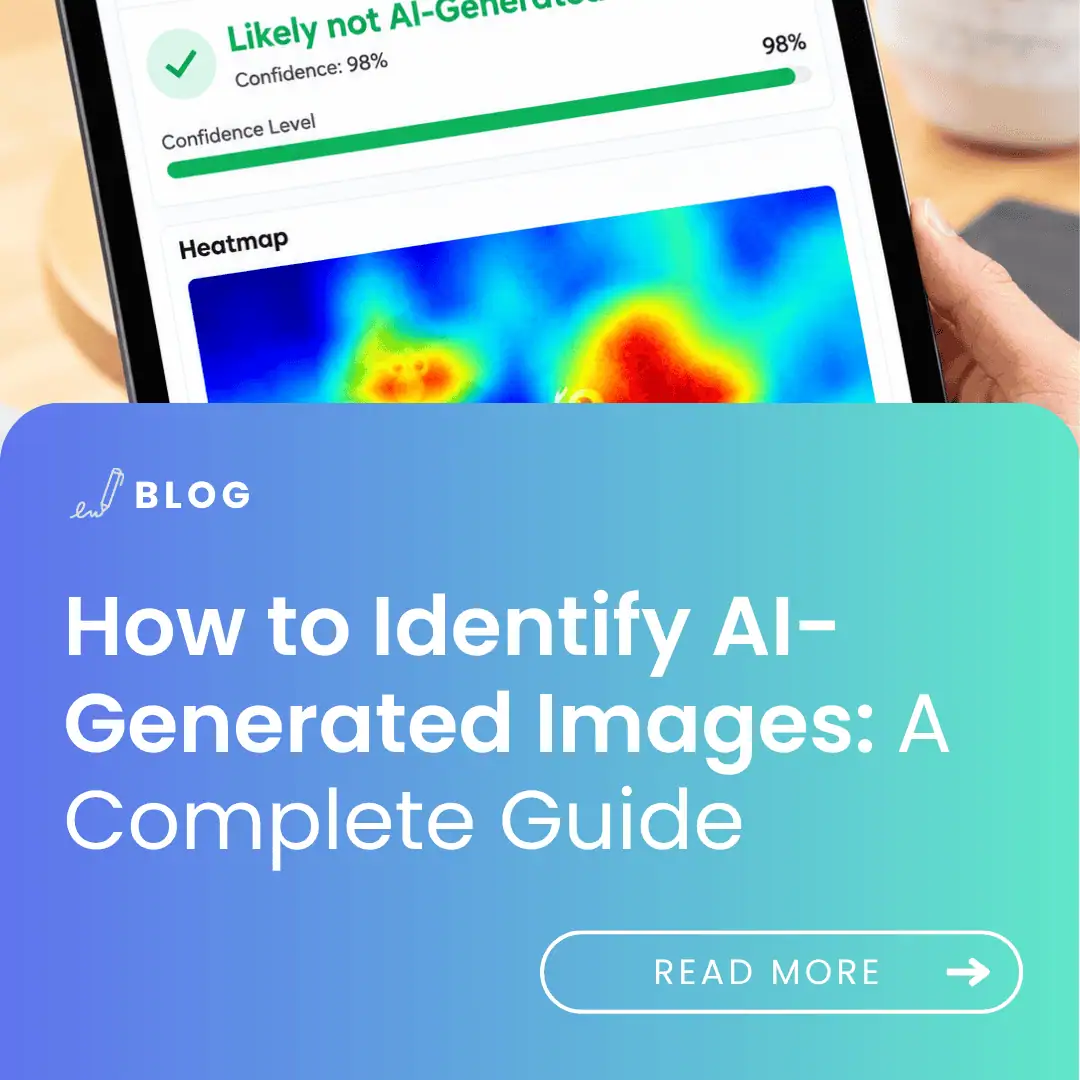
AI Sentinel scans the images published on your website and detects which ones have been generated or manipulated using AI. It then displays this information clearly to your visitors through a floating widget integrated into your website.
At Lawwwing, we care about your sales. To avoid being intrusive or placing a watermark over every image, the widget allows users to find out about AI-generated content while browsing your website. This way, you can comply with the regulations without having to display a label on every image.
- Automatically Generated Artificial Intelligence Policy
Labelling images is one part of the transparency obligation established by the AI Act. The other part is explaining to your users what types of AI your website contains and how you use them. With the Lawwwing AI Policy Generator, you answer a short questionnaire covering chatbots, virtual try-on tools, personalised recommendations, AI-generated images, analytics and more. Within minutes, you receive an AI use policy tailored to the tools used by your e-commerce business, ready to be displayed in your website footer.
To ensure you comply with the AI Act by December 2, sign up for Lawwwing.